
Sometimes hair requires straightening and deep control on the main length, but the ends are already dry, porous, or weakened. In such cases, it is important to choose a gentler approach to achieve a beautiful result without putting excessive strain on sensitive areas.
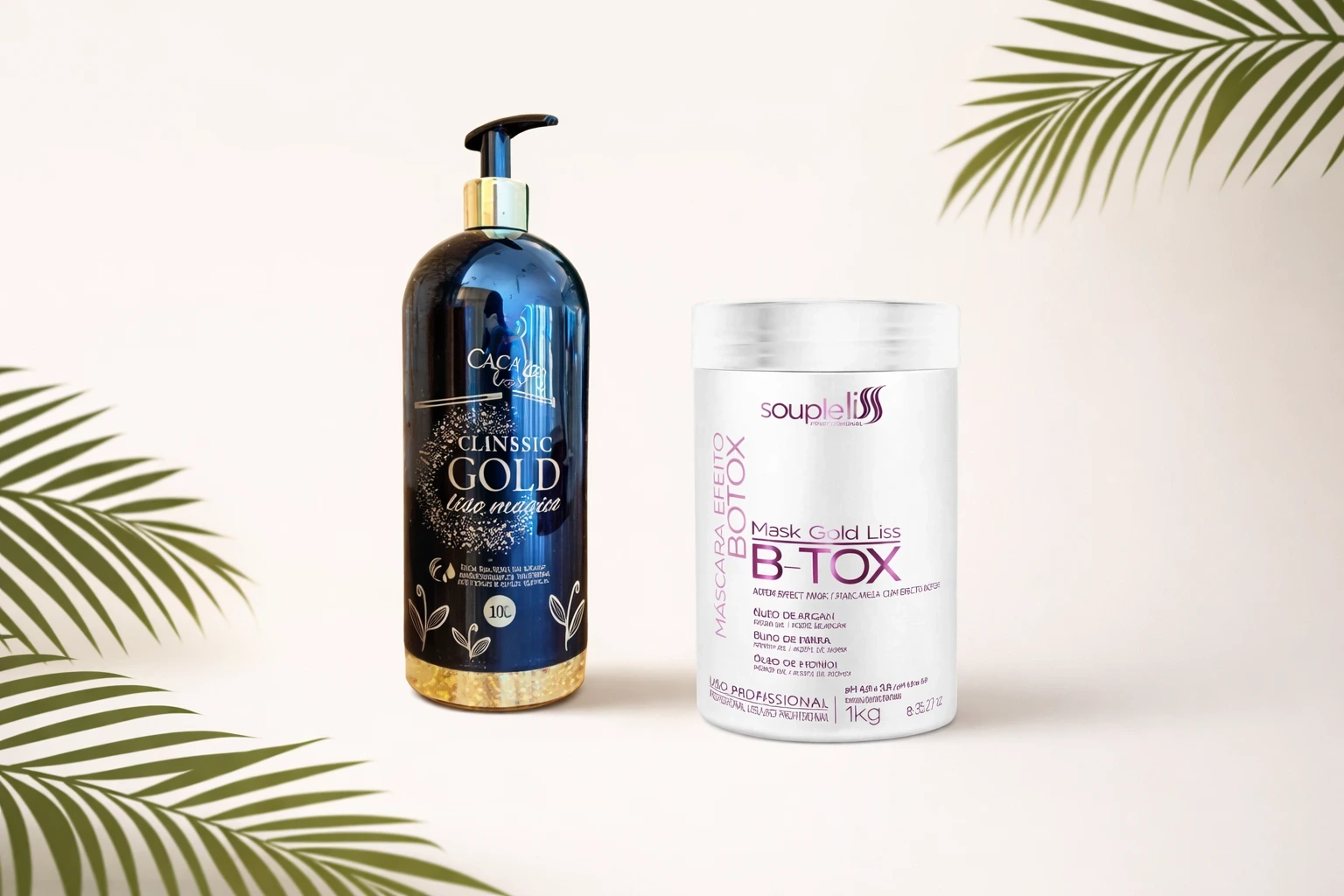
For this, professionals use the layering technique — a step-by-step method where the nanoplasty formula is applied along the main length, while a more nourishing and protective product, such as hair botox or thermal protection, is applied separately and first on the ends.
When This Technique Is Suitable
This method works especially well if:
the main length needs straightening;
the ends are dry, brittle, or porous;
it's important to maintain the softness and density of the ends;
you want to reduce the risk of overdrying sensitive hair areas.
How the layering technique is performed
The process starts on clean hair or hair that is about 50% dry.
The nanoplasty formula is applied along the entire length. If the ends do not require strong straightening, nourishing botox or thermal protection is applied to the ends first, then the nanoplasty formula is applied directly afterward without any additional waiting time on the ends.
The formula is left on the hair for 40–60 minutes, then partially rinsed along the length.
The next step is thorough drying of the hair. After drying, botox or thermal protection is reapplied to the ends without waiting and the hair is dried again.
Next, the specialist seals the formula by flat ironing the entire hair surface. After cooling, hair is shampooed with pH-stabilizing shampoo, a mask is applied for about 15 minutes, then rinsed off and the final drying is performed.
Benefits of the Technique
The layering technique helps to:
straighten and control the hair length;
protect dry ends from overload;
maintain a well-groomed hair appearance;
achieve shine, smoothness, and more vibrant hair from root to tip.
Important Note
Choosing formulas, processing times, and temperature settings always depends on the hair’s condition, density, porosity, and prior treatments. Therefore, it’s best to perform this technique with professional hair assessment and correct product selection.